

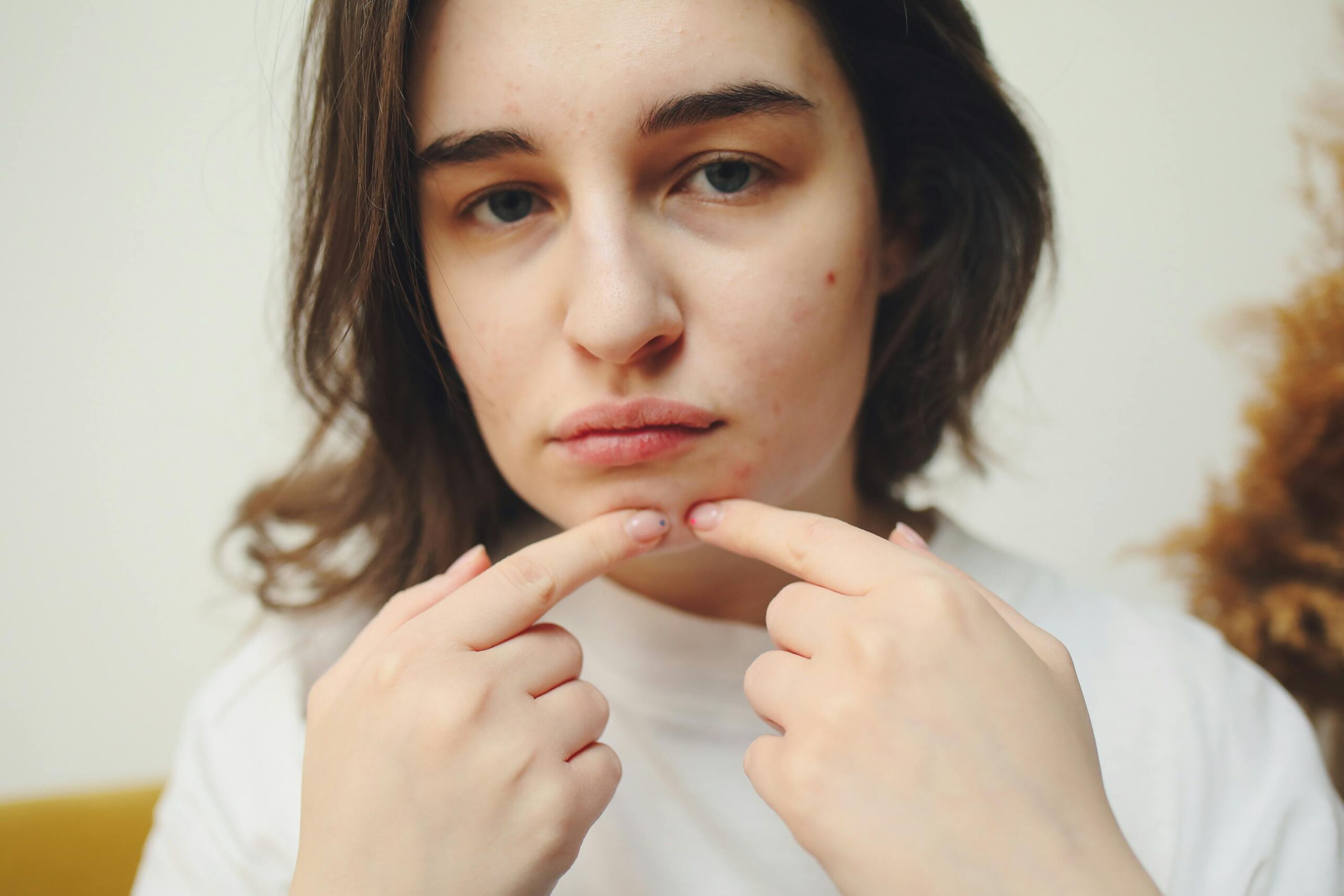
Adult Acne Treatment: Causes & Options | Genesis Dermatology
If you’re breaking out in your 20s, 30s, or 40s, you’re not alone — and there are real solutions. Adult acne treatment looks different than teen acne care because triggers like hormones, stress, and lifestyle can play a bigger role. At Genesis Dermatology, we help patients build a clear, realistic plan that fits their skin and their schedule.
Below is a patient-friendly guide to why adult acne happens, what actually helps, and when it’s time to see a dermatologist.
Why adult acne happens
Adult acne is usually triggered by a combination of factors. The most common drivers we see include:
1) Hormones
Hormonal shifts can increase oil production and inflammation, especially along the jawline and chin. This is common around menstrual cycles, postpartum changes, perimenopause/menopause, or when starting/stopping birth control.
- Late 20s–40s
- Around periods
- Postpartum
- Perimenopause/menopause
- Stopping or starting hormonal birth control
2) Stress + sleep
Stress and poor sleep can increase inflammation and slow healing, making breakouts linger longer.
3) Heat, sweat, and friction (hello, Florida)
Sweat, occlusive sunscreen, workout gear, hats, and even frequent face-touching can trigger breakouts — especially on the forehead, cheeks, chest, and back.
4) Skincare overload
Using too many strong products at once (scrubs, acids, retinoids, harsh cleansers) can damage the skin barrier and actually worsen breakouts.
5) Makeup, hair products, and “pore-clogging” routines
Heavy foundations, setting sprays, pomades, and dry shampoo can contribute—especially around the hairline, temples, and cheeks.
6) Certain medications or supplements
Some medications and supplements may worsen acne for certain people. If you suspect a connection, it’s worth discussing at your visit.
What adult acne can look like (it’s not all the same)
Identifying the type of acne matters, because treatment isn’t one-size-fits-all.
- Whiteheads/blackheads (comedonal acne): clogged pores, texture, bumps
- Inflamed pimples (papules/pustules): red, tender breakouts
- Cystic acne: deeper, painful bumps that linger
- Acne mechanica: friction-related breakouts (sports gear, masks, sweating)
- Folliculitis (“fungal acne” look-alike): itchy, uniform bumps—often on chest/back/forehead
If your “acne” is itchy, identical-looking, or not responding to typical acne products, it may not be classic acne—and that’s where a dermatologist can help quickly.
Adult acne treatment at home: a simple routine that works
A strong acne plan usually focuses on reducing clogged pores, calming inflammation, and supporting the skin barrier—without over-drying.
Step 1: A simple at-home routine (often enough for mild acne)
Morning
- Gentle cleanser
- Non-comedogenic moisturizer (yes, even if you’re oily)
- Broad-spectrum sunscreen SPF 30+ (daily)
Night
- Gentle cleanser
- Acne treatment (choose one)
- Adapalene (retinoid) for clogged pores + prevention
- Benzoyl peroxide for inflamed breakouts (can be drying/bleaching)
- Salicylic acid for oil + clogged pores (good for congestion)
- Moisturizer
Key rule: Start slow. Many people irritate their skin by using too much too soon. Irritation can mimic or worsen acne.
Step 2: Prescription options (when OTC isn’t cutting it)
If breakouts are persistent, painful, or leaving marks, prescription treatment can make a big difference.
Common dermatologist-recommended options may include:
- Prescription topical retinoids (stronger and more targeted than OTC)
- Topical antibiotics (usually paired with benzoyl peroxide to reduce resistance)
- Oral antibiotics (short-term for inflamed acne, not a forever solution)
- Hormonal acne treatments (often helpful for jawline/chin patterns)
- Isotretinoin for severe, scarring, or treatment-resistant acne (highly effective, carefully monitored)
What’s “best” depends on your acne type, skin sensitivity, pregnancy plans, medical history, and lifestyle.
Step 3: In-office support (to speed results + improve tone/texture)
At Genesis Dermatology, many patients combine a medical plan with in-office treatments to target:
- Active breakouts
- Congestion
- Post-acne discoloration
- Texture and early scarring
Options may include:
- Chemical peels: can help with clogged pores, uneven tone, and post-acne marks
- Clear + Brilliant®: can improve overall skin tone/texture and help the look of pores and post-acne discoloration for the right candidate (treatment plan varies by skin type)
What not to do (common mistakes that keep adult acne going)
- Scrubbing your skin or using harsh exfoliants daily
- Switching products every week (most routines need 8–12 weeks to judge)
- Spot-treating everything while skipping prevention
- Skipping moisturizer (dry, irritated skin often breaks out more)
- Using heavy oils or fragranced products if you’re acne-prone
- Picking (this increases inflammation, dark marks, and scarring risk)
When to see a dermatologist
If any of these sound familiar, it’s time:
- Acne has lasted 3+ months despite consistent OTC treatment
- You have painful cysts or deep bumps
- You’re developing scars or persistent dark marks
- Breakouts are affecting your confidence or daily life
- You suspect hormonal acne, folliculitis, or rosacea
- You’re pregnant/trying to conceive and unsure what’s safe
- You want a plan that’s clear, streamlined, and actually customized
What to expect at your acne visit (no guesswork)
At Genesis Dermatology, an acne consult typically includes:
- Reviewing your skincare routine and products
- Identifying your acne type and triggers
- Creating a step-by-step plan (home + prescription if needed)
- Discussing timelines (what improves first, what takes longer)
- Optional add-ons to address discoloration, texture, or scarring
Tip: Bring photos of your skin on “good” and “bad” days, plus a list of products you use.
FAQs
How long does acne treatment take to work?
Most treatments need 6–12 weeks for noticeable improvement. Some people purge early with retinoids (temporary), but irritation isn’t the goal—your plan should be tolerable.
Is adult acne usually hormonal?
Not always, but hormonal patterns are common—especially jawline/chin acne or breakouts that flare around cycles. A dermatologist can help confirm the pattern and choose the right approach.
Can sunscreen cause breakouts?
Some formulas can. Look for non-comedogenic, oil-free options—and choose textures that work for Florida heat and humidity.
What about acne scars?
Treating active acne first is key. Once breakouts are controlled, options like peels or Clear + Brilliant® may help improve tone and texture depending on your skin and goals.
Ready for a clear plan?
Adult acne can be frustrating—but it’s also treatable. If you’re tired of trial-and-error, Genesis Dermatology can help you build a routine that fits your skin, your schedule, and your goals.
Schedule an acne consultation with Genesis Dermatology to get a personalized treatment plan for clearer, healthier-looking skin.
This blog is for educational purposes and doesn’t replace medical advice. If you have severe swelling, spreading rash, fever, or signs of infection, seek urgent care.
