
Molluscum
What Is Molluscum?
Molluscum contagiosum is caused by a poxvirus that infects the outer layer of skin, producing small, raised bumps that typically appear 2 to 8 weeks after exposure. It spreads through direct skin-to-skin contact, contact with contaminated objects like towels or shared clothing, and, in some cases, sexual contact in adults.
It’s most common in young children, but anyone can get it, and it tends to be more extensive and longer lasting in people with weakened immune systems or existing skin conditions like eczema. Left alone, most healthy immune systems eventually clear the virus, but that process can take anywhere from several months to a couple of years.
How to Detect Molluscum
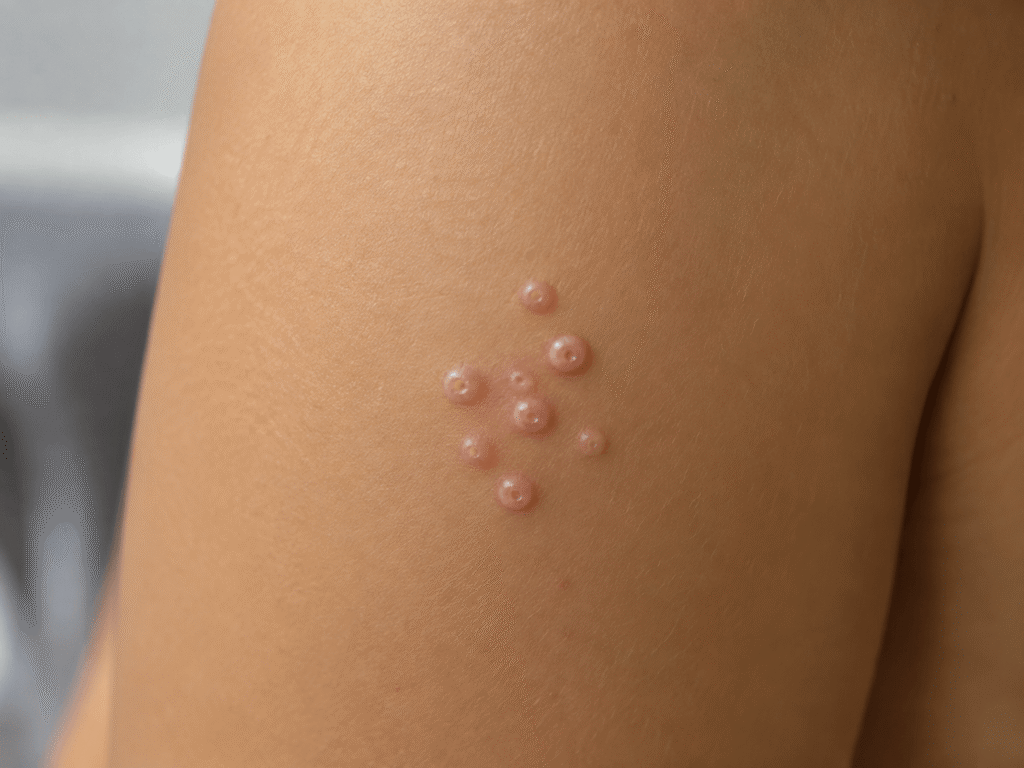
- Small, firm, dome-shaped bumps, typically 1 to 6 millimeters across
- Pink, flesh-colored, or white, often with a waxy or shiny appearance
- A small central dimple or pit visible on many of the bumps
- Bumps that can appear anywhere but are common on the trunk, arms, legs, and, in adults, the genital area
- Usually painless, though they can become itchy, and scratching can spread the virus to new areas or introduce bacterial infection
When Should You See a Doctor?
- You want to confirm the diagnosis, since other bumps can occasionally look similar
- The bumps are itchy, painful, or showing signs of bacterial infection (increasing redness, warmth, or drainage)
- A child with molluscum also has eczema, which tends to make outbreaks more extensive
- You'd prefer active treatment rather than waiting months to years for the infection to resolve on its own
- Bumps appear on or near the eyelids, which can be associated with irritation and pink eye
What Happens If Molluscum Is Left Untreated?
Molluscum is contagious for as long as the bumps are present, so leaving it untreated means an extended window, sometimes a year or more, during which the infection can spread to new areas of the body or to other people through close contact or shared items. Scratching irritated bumps is a common way the virus spreads to nearby skin, and it also raises the risk of a secondary bacterial infection developing at the site.
In people with weakened immune systems, molluscum can become significantly more extensive and persistent than in a healthy child or adult, sometimes requiring more involved treatment. While molluscum is not dangerous in otherwise healthy individuals, the extended timeline of an untreated case means more opportunity for spread, irritation, and, for many families, ongoing frustration managing a highly visible, contagious rash.
The Genesis Dermatology Process
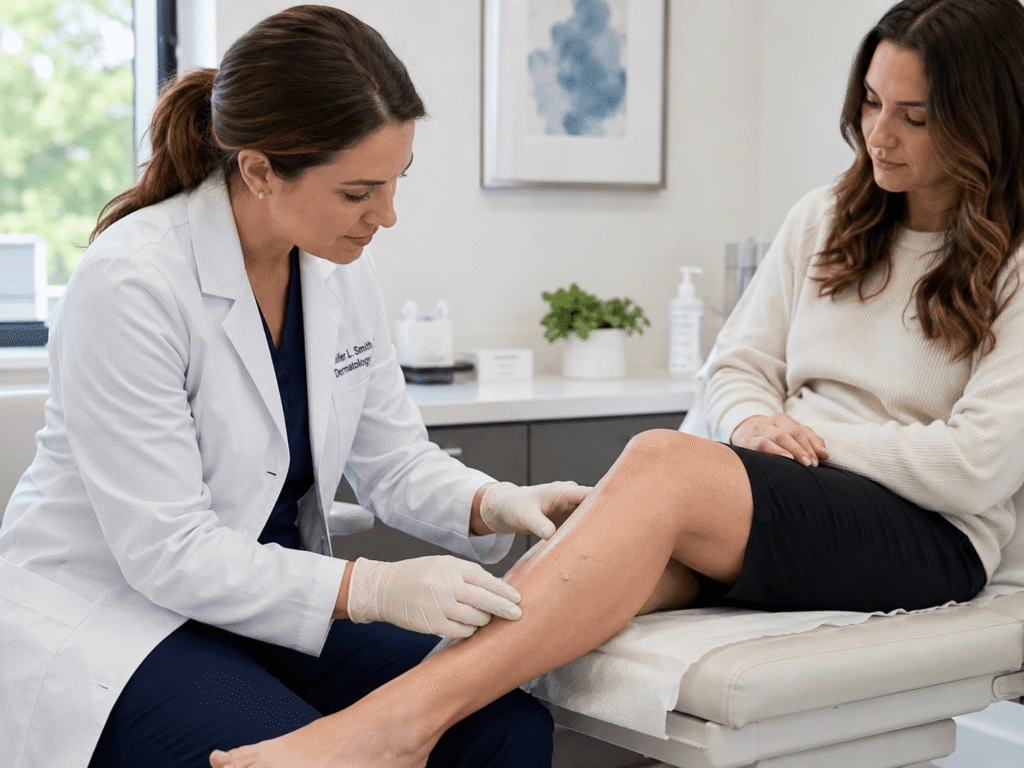
- A visual exam to confirm the diagnosis, which is usually straightforward based on appearance
- A discussion of your options: watchful waiting for mild, limited cases, or active treatment to clear bumps faster and reduce the spread
- In-office treatment options, which may include cryotherapy, topical prescription treatments, or other removal techniques suited to the number and location of bumps
- Extra consideration for sensitive areas like the eyelids or genital region
- Practical guidance on reducing spread at home, including avoiding shared towels or clothing and not scratching active bumps