
Large Pores
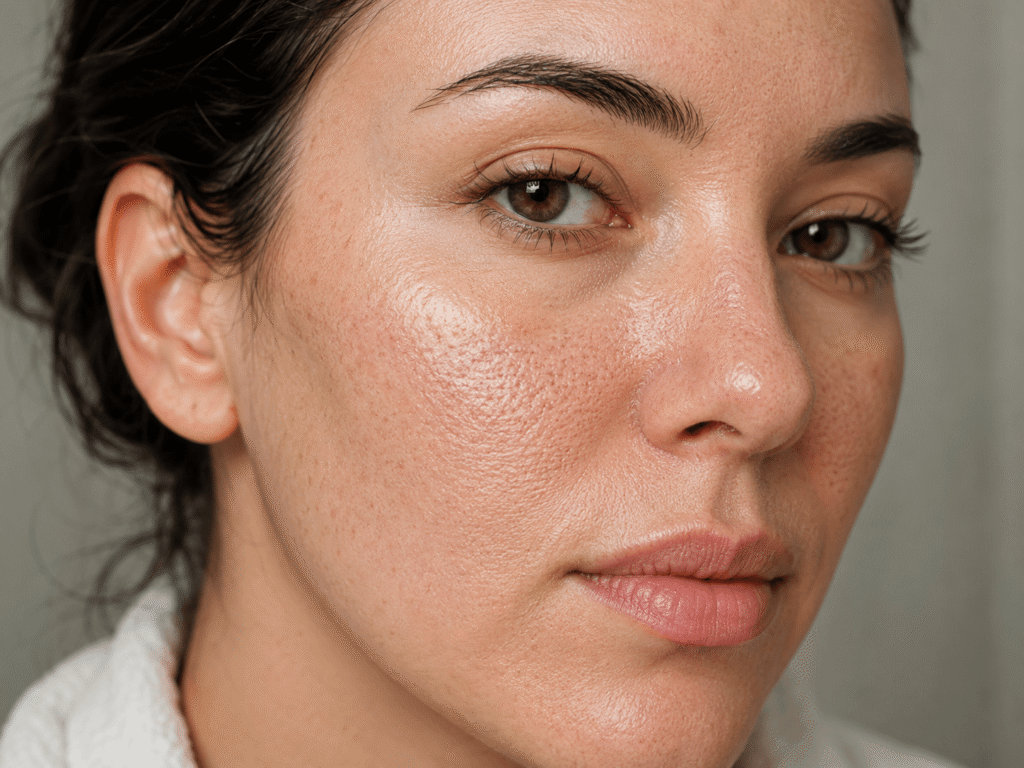
What Causes Large Pores?
Pore size is largely determined by the size of the sebaceous (oil) glands beneath the skin, larger glands generally mean larger, more visible pores, and this is significantly influenced by genetics. But several other factors can make pores appear even more enlarged: excess sebum production, buildup of oil and dead skin cells that stretch pore openings, and the loss of collagen and elastin around pores as skin ages, which reduces the surrounding structural support that normally keeps pores looking tighter.
This combination of factors is why large pores tend to be most noticeable in oily, sun-damaged, or more mature skin, since these conditions compound the underlying genetic pore size with additional stretching and structural loss.
How to Detect Enlarged Pores
- Visibly open pores, especially across the nose, cheeks, and forehead (the T-zone)
- Pores that appear more noticeable in oilier areas of the face
- A textured, less smooth appearance, especially visible in certain lighting or up close
- Pores that seem to look larger over time, often alongside skin laxity or sun damage
- Pores that appear stretched or clogged, sometimes with visible buildup
When Is It Worth Treating Large Pores?
- Pore size bothers you cosmetically or affects how your skin looks in photos or bright light
- Skincare products alone haven't made a visible difference
- You're interested in treatments that address both pore appearance and overall skin texture at the same time
- You want to understand which specific factors, oil production, sun damage, or skin laxity, are contributing most to your pore appearance
What Happens If Large Pores Are Left Untreated?
Pore size itself isn’t a medical concern, but the underlying factors that make pores look more prominent, sun damage, ongoing oil and dead skin buildup, and gradual collagen loss, tend to continue and often worsen with age if left unaddressed. Over time, this typically means pores appear progressively larger and skin texture around them becomes less smooth, rather than staying the same.
Leaving persistently clogged pores unaddressed can also contribute to ongoing breakouts or blackheads in some patients, adding an additional texture concern on top of pore size itself. Addressing the contributing factors earlier, rather than waiting, tends to produce a more meaningful, longer-lasting improvement in appearance.
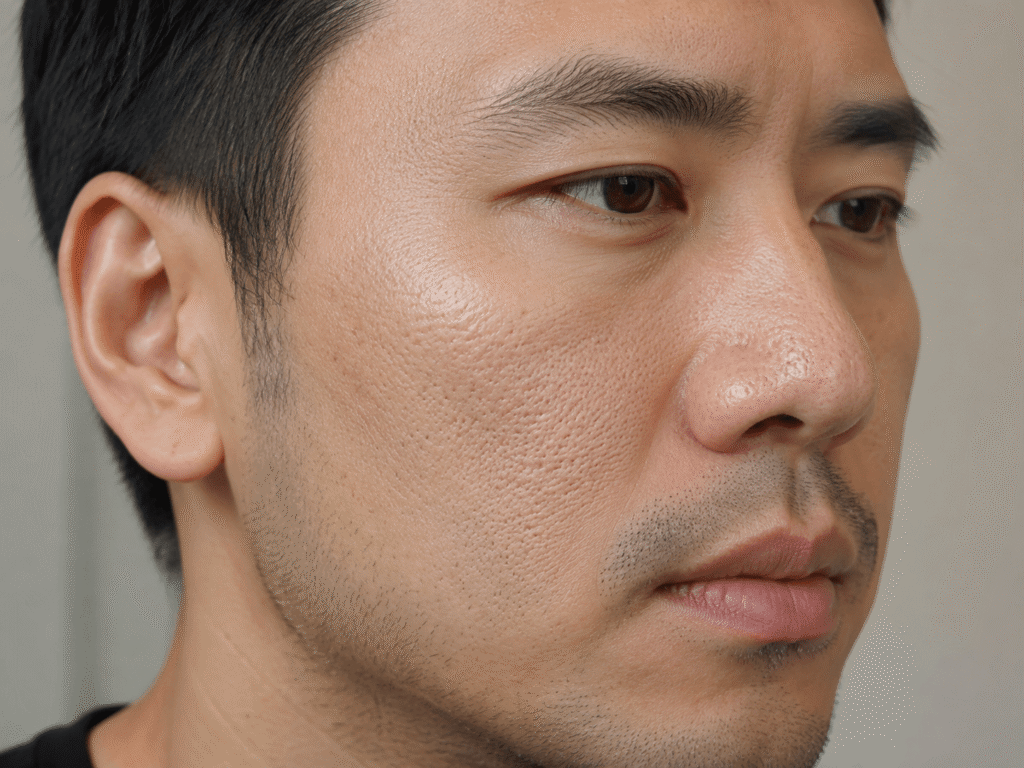
The Genesis Dermatology Process
- A skin assessment to identify what's contributing most to your pore appearance: genetics, oil production, sun damage, or skin laxity
- Microneedling to stimulate collagen production, which tightens the surrounding skin and makes pores look smaller by improving overall texture
- Fractional laser resurfacing to address both pore appearance and deeper texture concerns in the same treatment
- Chemical peels or IPL to improve oil regulation, texture, and skin quality around pores
- A personalized skincare routine to support your in-office results between treatments