
Ringworm
What Is Ringworm?
Ringworm is caused by dermatophyte fungi, organisms that naturally live on skin, hair, and nails but multiply out of control in warm, damp conditions. It spreads through direct skin-to-skin contact with an infected person, contact with an infected pet (puppies and kittens are common carriers), or contact with contaminated surfaces like gym mats, towels, or locker rooms.
Symptoms typically appear 4 to 14 days after exposure, though they can take up to two weeks in some cases. Florida’s warm, humid climate creates conditions where dermatophyte fungi thrive, which is one reason ringworm and related fungal infections are especially common here.
How to Detect Ringworm
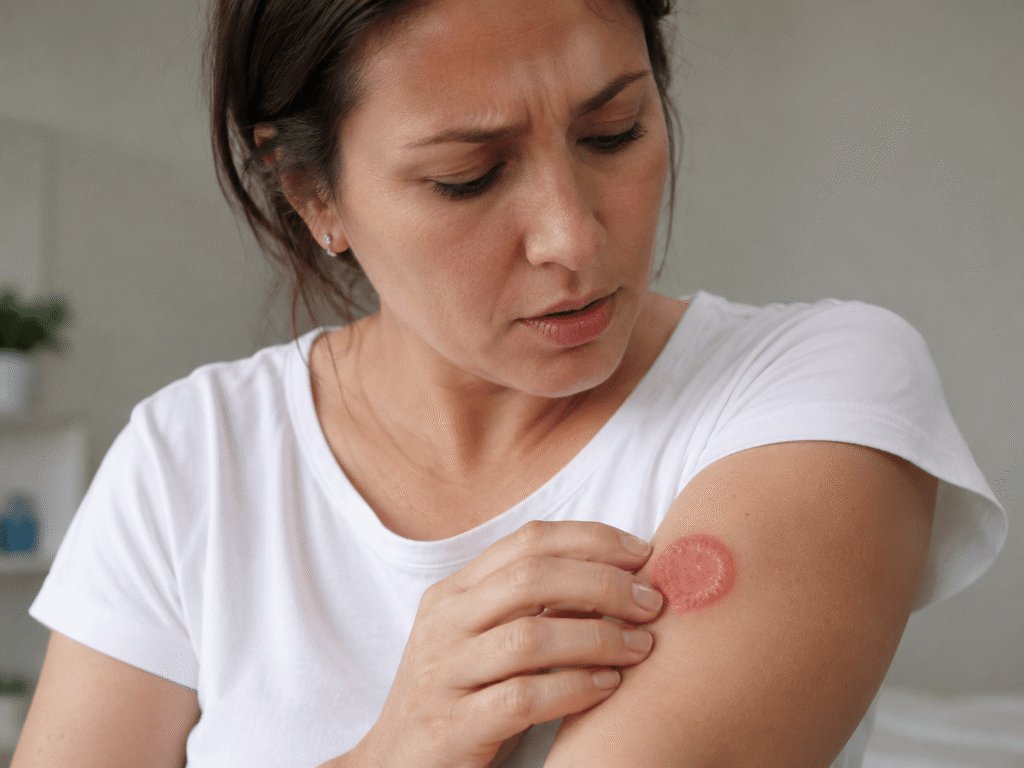
- A rash that starts as small red bumps and gradually expands into a ring shape
- A raised, scaly, red border with a clearer center, giving the classic "ring" appearance
- Typically, half an inch to an inch across, though it can grow larger if untreated
- Itching or mild burning in the affected area
- Hair loss or bald patches if the infection involves the scalp
When Should You See a Doctor?
- A rash matches the ring-shaped pattern typical of ringworm, especially if it's spreading
- Over-the-counter antifungal cream hasn't improved the rash after one to two weeks
- The rash is on your scalp, which usually requires oral rather than topical treatment
- You're not sure whether it's ringworm or another type of rash, since treatments for other conditions can sometimes make a fungal infection worse
- You have multiple patches or the infection is spreading to other family members or pets
What Happens If Ringworm Is Left Untreated?
Ringworms don’t typically resolve without treatment, they tend to expand outward and can spread to new areas of your body through scratching or contact, or to other people and pets sharing your household. An infection that’s misdiagnosed and treated with a steroid cream (commonly used for other rashes) can worsen and spread more rapidly, since steroids suppress the local immune response that would otherwise help contain the fungus.
In people with weakened immune systems, untreated ringworms can become more extensive and harder to clear. Repeated scratching also raises the risk of a secondary bacterial infection developing on top of the fungal one, adding another layer of treatment to what would have been a straightforward course of antifungal medication if caught earlier.
The Genesis Dermatology Process
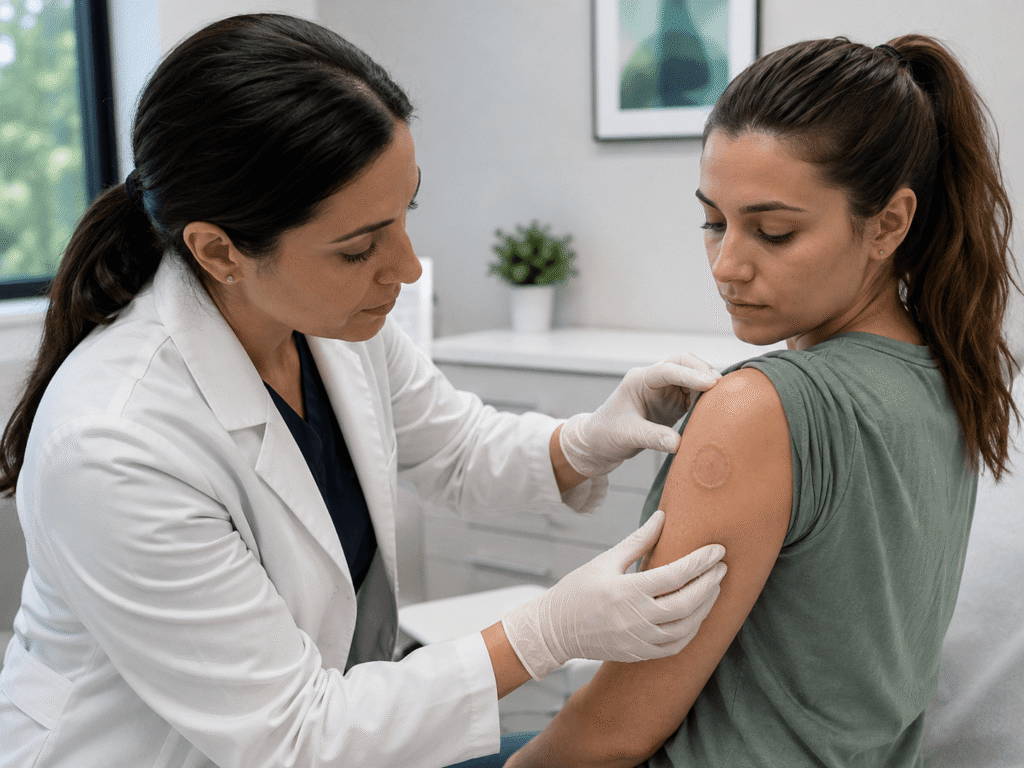
- An exam to confirm the diagnosis, sometimes a quick in-office skin scraping examined under the microscope
- Topical antifungal treatment for most mild-to-moderate cases on the body
- Oral antifungal medication for scalp involvement or more extensive, stubborn infections
- Guidance on treating pets or household members if they may be a source of reinfection
- Practical tips for preventing recurrence, especially relevant in Florida's warm, humid climate