
Fungal Infections
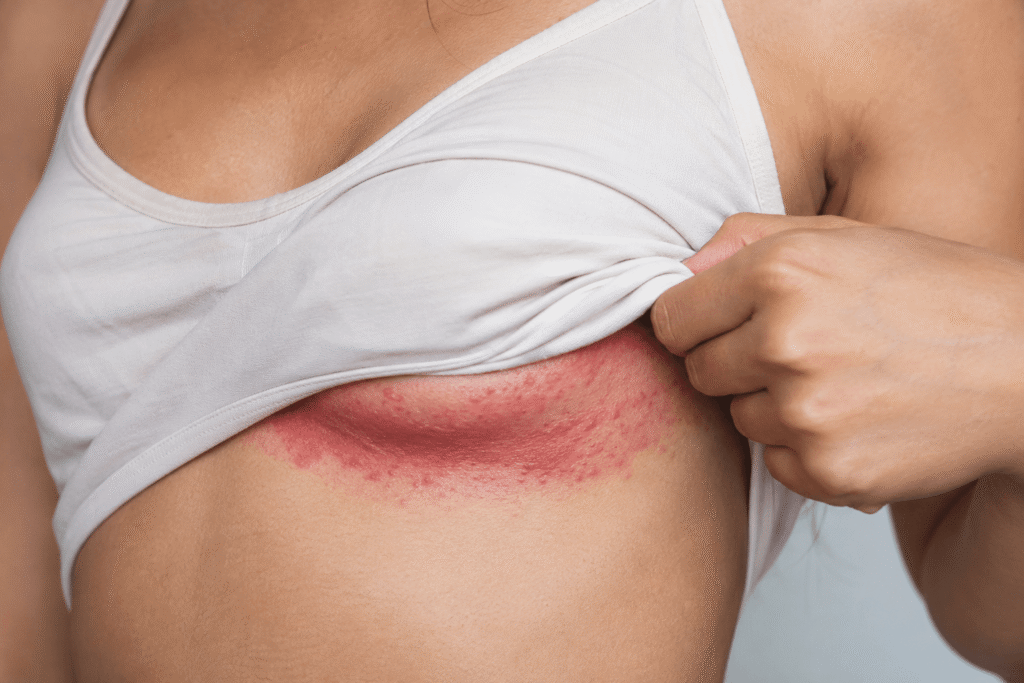
What Are Fungal Skin Infections?
Several different fungi and yeasts can cause skin infections, and each tends to favor specific areas of the body. Athlete’s foot (tinea pedis) affects the feet, especially between the toes, and thrives in the warm, damp environment inside shoes and socks. Jock itch (tinea cruris) affects the groin, inner thighs, and buttocks for similar reasons. Tinea versicolor is caused by an overgrowth of yeast that naturally lives on the skin and produces patches of discoloration, often more noticeable after sun exposure. Cutaneous candidiasis is a yeast infection of the skin, often occurring in warm, moist skin folds.
Ringworm (tinea corporis), a related fungal infection of the body causing the classic ring-shaped rash, is closely related to athlete’s foot and jock itch (all three are caused by dermatophyte fungi) but is significant enough to warrant its own dedicated evaluation and treatment approach.
How to Detect a Fungal Infection
- Athlete's foot: itching, stinging, or burning between the toes or on the soles, sometimes with peeling, cracking, or blistering skin
- Jock itch: a red, itchy rash in the groin or inner thighs, often with a raised, well-defined border
- Tinea versicolor: small, discolored patches (lighter or darker than surrounding skin) on the chest, back, or shoulders, often more noticeable after tanning
- Cutaneous candidiasis: red, itchy, sometimes moist patches in skin folds, such as under the breasts, in the groin, or in other warm, damp areas
- Persistent itching or a scaly, discolored rash that doesn't resolve with basic hygiene changes
When Should You See a Doctor?
- Over-the-counter antifungal treatment hasn't improved symptoms after one to two weeks
- You're not sure which type of fungal (or non-fungal) skin condition you're dealing with, since treatments differ significantly
- The infection is spreading, recurring frequently, or affecting a large area of skin
- You have diabetes or a weakened immune system, which can make fungal infections more persistent and worth monitoring more closely
- Discoloration from tinea versicolor isn't improving with treatment and is affecting your confidence
What Happens If a Fungal Infection Is Left Untreated?
Fungal skin infections don’t typically resolve on their own, they tend to persist or gradually expand as long as the warm, moist conditions that allow them to thrive continue. Untreated athlete’s foot and jock itch can spread to larger areas of skin, to nail beds (leading to a fungal nail infection that’s considerably harder to treat), or to other people through shared surfaces, towels, or close contact.
Persistent scratching from an itchy fungal infection also raises the risk of a secondary bacterial infection developing on top of it. Tinea versicolor, while not medically dangerous, tends to become more noticeable and widespread the longer it’s left untreated, and the resulting discoloration can take months to fully even out even after the fungus itself is cleared, another reason earlier treatment tends to produce a better cosmetic outcome.

The Genesis Dermatology Process
- An exam of the affected area, sometimes with an in-office skin scraping examined under the microscope to confirm the specific type of infection
- Topical antifungal treatment for most mild-to-moderate cases
- Oral antifungal medication for more extensive, recurrent, or stubborn infections that haven't responded to topical treatment
- Practical guidance on reducing moisture and friction in affected areas to prevent recurrence, especially relevant in Florida's climate
- A tailored plan for tinea versicolor, since treating the yeast overgrowth is only part of addressing the visible discoloration