
Loose Skin
What Causes Loose Skin?
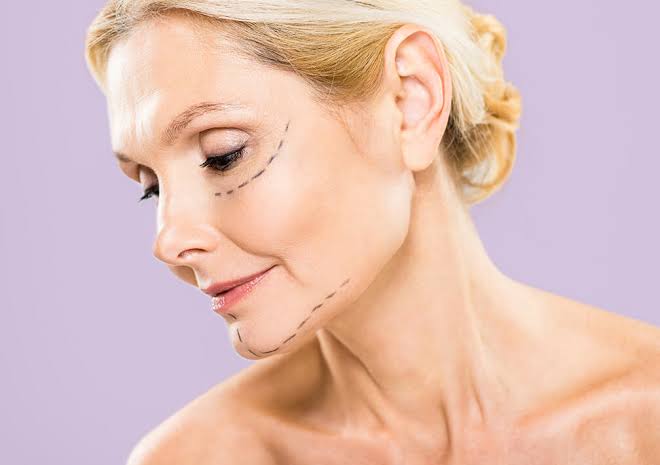
Skin laxity develops as the dermis, the structural layer of skin responsible for firmness, thins and loses collagen and elastin over time, a natural part of the aging process. Weight loss, particularly significant or rapid weight loss, can leave skin that was stretched to accommodate more volume without the elasticity to fully retract afterward. Pregnancy has a similar effect on the abdomen, and cumulative sun exposure accelerates the breakdown of elastic fibers throughout life, contributing to laxity well beyond what age alone would explain.
Because these factors often overlap, most patients dealing with loose skin are managing some combination of natural collagen decline, prior weight or volume changes, and cumulative sun damage, rather than a single isolated cause.
How to Detect Loose Skin
- Skin that appears less firm or slightly sagging, especially noticeable on the abdomen, upper arms, inner thighs, neck, or jawline
- Skin that doesn't snap back quickly when gently pinched or pulled
- A crepey or thin texture, particularly in areas like the upper arms or under the eyes
- Looseness that's become more noticeable after a significant weight change or pregnancy
- Skin laxity that seems to be progressing gradually over recent years
When Is It Worth Treating Loose Skin?
- Loose skin is bothering you cosmetically, whether on your face, neck, or body
- You've recently lost a significant amount of weight or had a baby and are noticing skin laxity as a result
- You want to understand whether non-surgical tightening is a realistic option for your degree of laxity, or whether a more significant intervention would better meet your goals
- You're interested in a proactive approach to slow the progression of skin laxity as you age
What Happens If Loose Skin Is Left Untreated?
Skin laxity is progressive, meaning it tends to continue and gradually worsen over time as collagen production naturally continues to decline with age, particularly without any intervention. Left untreated, mild laxity today often becomes more pronounced over the following years, especially with ongoing sun exposure that continues to break down the skin’s remaining elastic fibers.
There’s also a practical treatment consideration: non-surgical skin-tightening treatments work by stimulating your skin’s own remaining collagen-producing capacity, which means they tend to be more effective on skin with mild to moderate laxity than on skin that’s had years of further progression. Addressing loose skin earlier, rather than waiting until it’s more advanced, generally means better candidacy for non-surgical options.
The Genesis Dermatology Process
- A consultation and skin assessment to determine the degree of laxity and whether non-surgical treatment is likely to meet your goals
- RF (radiofrequency) microneedling, which combines controlled micro-injury with radiofrequency energy to stimulate both new collagen production and tightening of existing collagen, effective for the face, neck, and body
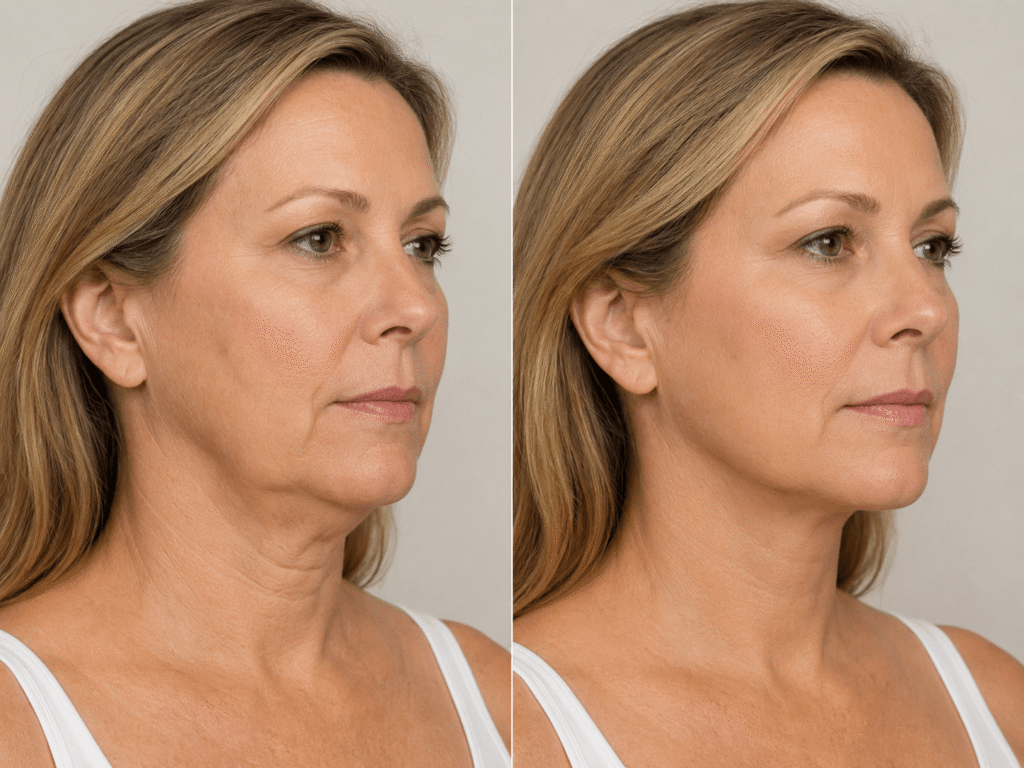
- Novathreads, a thread-lifting option that provides an immediate, subtle lifting effect while also stimulating collagen production over time, particularly effective for facial and jawline laxity
- Sculptra for gradual, collagen-stimulating volume and firmness in appropriate areas
- A staged treatment plan, since meaningful improvement in skin firmness typically builds gradually over a series of sessions rather than appearing after just one